At Albec Painting and Coatings, we understand the critical importance of protecting your industrial gas and utility lines throughout Ottawa and the surrounding region. Our specialized coatings are designed to ensure long-term durability, safety, and compliance for your assets.
Whether applied to new installations or used to rehabilitate existing infrastructure, our coating systems are designed to extend service life while reducing maintenance risks and downtime. With a focus on consistent execution, regulatory alignment, and high-performance materials, property owners and operators gain confidence knowing their gas and utility lines are protected by solutions built to withstand Ottawa’s toughest conditions.
We bring decades of hands-on experience providing protective coatings for industrial gas and utility lines across Ottawa. Our expertise covers a wide range of surfaces and line materials, from steel and iron to specialized piping systems used in gas utilities.
Our coatings are formulated to shield your assets from corrosion, moisture intrusion, soil contaminants, and the punishing freeze-thaw cycles typical of the Ottawa region. Whether you're focused on maximizing visibility for maintenance teams or ensuring long-term structural integrity, our portfolio includes a variety of proven industrial-grade protective systems.
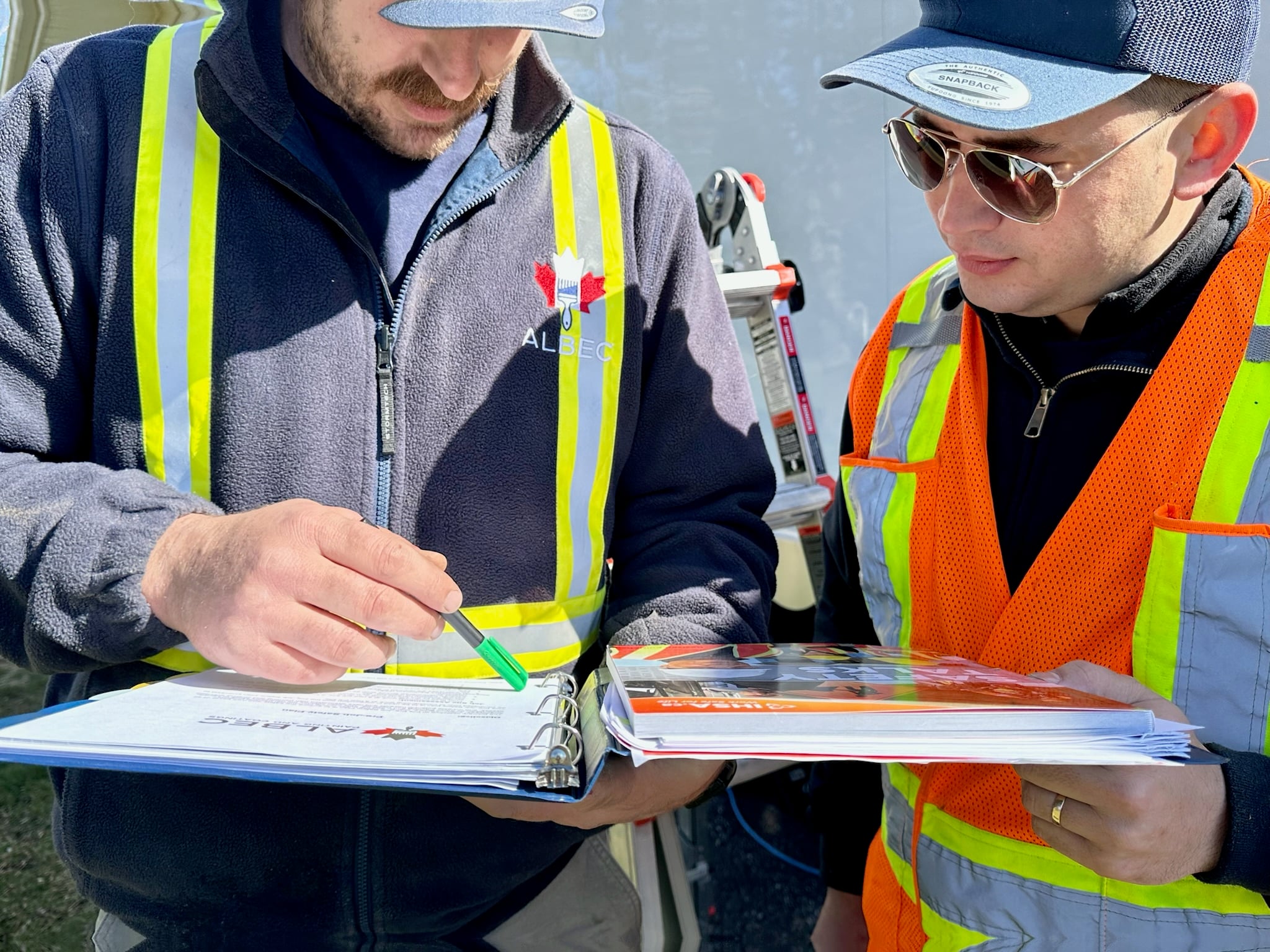
We ensure long-term utility protection by conducting detailed environmental and accessibility evaluations, using mechanical and chemical cleaning to remove rust and contaminants, and applying specialized industrial coatings, paired with precise color coding and regulatory marking systems, to enable easy identification and full safety compliance for maintenance and emergency teams.
Every project begins with a thorough site assessment. We evaluate the condition of your lines, accessibility, environmental surroundings, and relevant safety considerations.
Proper surface preparation is essential for durable coatings. Our process begins with cleaning pipes and utility lines, removing soil, rust, old coatings, and contaminants. We use mechanical and chemical cleaning methods as needed, always prioritizing eco-friendly practices suited to local regulations.
We apply specialized industrial coatings tailored to your project needs, using spray, brush, or roller as best fits the material and environment. At the same time, we carry out precise color-coding and marking systems. These markings help maintenance crews, emergency responders, and inspectors easily identify line types and hazards, supporting both safety and regulatory compliance.
Every project concludes with a detailed inspection, where we verify coating thickness, continuity, color accuracy, and surface integrity. We provide you with clear documentation and a walk-through to address any final questions or requests.
If you’re seeking a trusted local partner for your next infrastructure project, our team at Albec Painting and Coatings is ready to help.
Contact us today to discuss your needs, schedule a site visit, or request a tailored quote. We look forward to helping you safeguard your vital industrial assets with unmatched expertise and dedication.
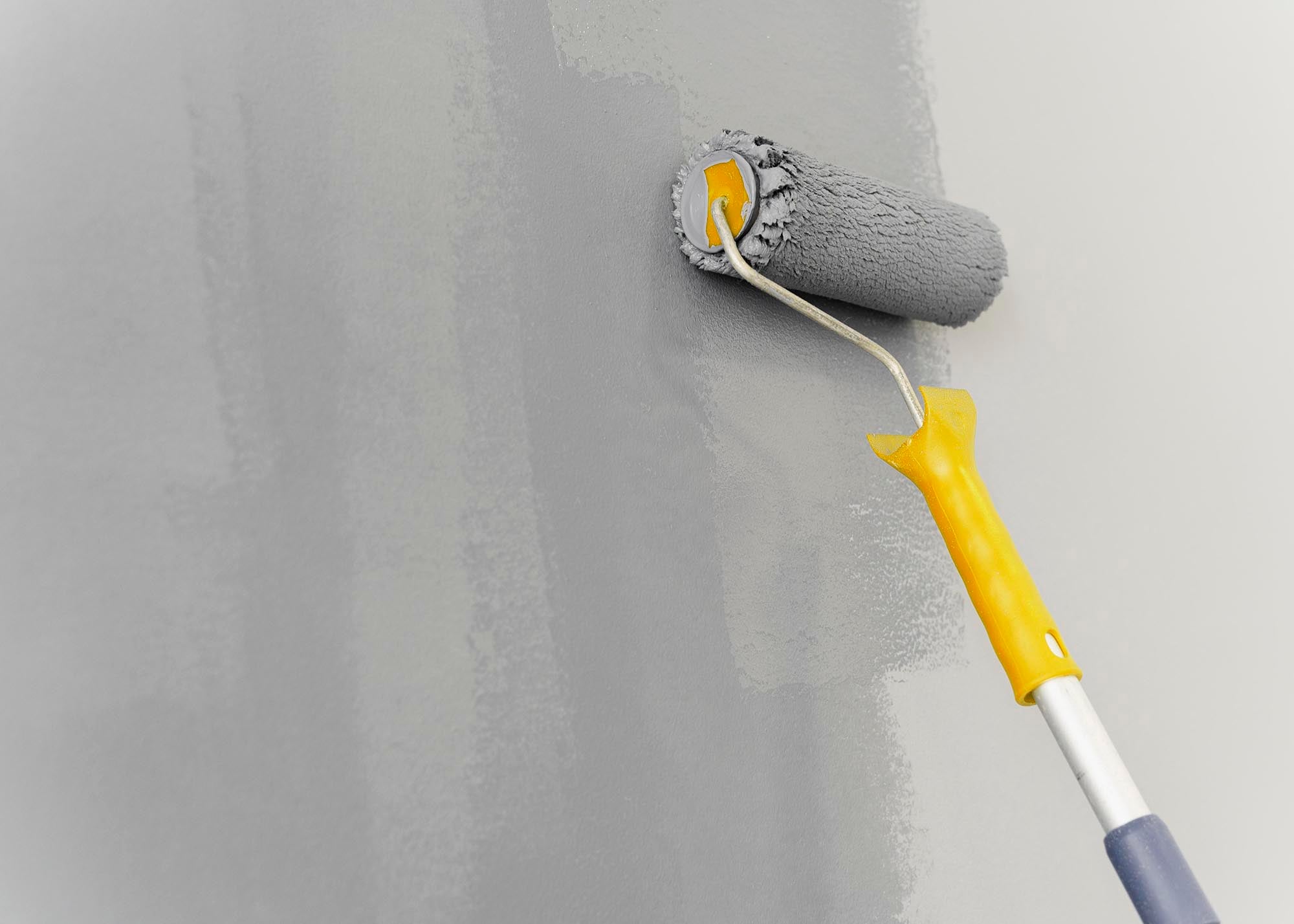
These coatings act as barriers against moisture, soil contaminants, and freeze-thaw cycles, preventing corrosion and structural degradation, thus extending the service life of gas and utility lines even in challenging environments like Ottawa.
High-build epoxies, polyurethanes, and advanced industrial-grade coatings are commonly used as they provide resilient barriers against environmental stressors and support color-coded identification for safety and regulatory compliance.
Color coding helps maintenance teams, emergency responders, and inspectors quickly identify the type and hazard level of different lines, streamlining safety protocols and ensuring regulatory requirements are met.
We use cookies to improve your experience on our site. By using our site, you consent to cookies.
Manage your cookie preferences below:
Essential cookies enable basic functions and are necessary for the proper function of the website.
CloudFlare provides web performance and security solutions, enhancing site speed and protecting against threats.
Service URL: developers.cloudflare.com (opens in a new window)
These cookies are needed for adding comments on this website.
You can find more information in our Cookie Policy and .